Hiring the right exterminator can feel like picking a surgeon. The stakes are real, the jargon is dense, and a misstep costs money, time, and peace of mind. I have sat at dining room tables with homeowners who were days into a roach infestation that started small and spiraled because the first company overpromised and underdiagnosed. I have also watched businesses save thousands by asking clear questions up front and choosing a professional exterminator who built a smart maintenance plan. A good exterminator service blends science, local knowledge, and patient communication. The consult is where that shows.
This guide will help you use that first meeting, whether it is a phone screening or an on-site inspection, to separate a trusted exterminator from a smooth pitch. I will give you the questions that uncover method, safety, pricing, and accountability, plus some context on what answers should sound like for different pests and property types.
The first five minutes: quick tells that matter
You can learn a lot before the technician steps onto the property. Pay attention to responsiveness, transparency, and how they handle uncertainty. A reliable exterminator does not give flat quotes for complex problems without an inspection. If a company offers a low, flat price over the phone for termites or bed bugs, that is usually a red flag. The better firms ask for your address, the age of the structure, the type of pests you have seen, and the timeline of activity. They might ask for photos of droppings, frass, or staining. That early curiosity is a sign they take diagnostics seriously.
Local knowledge also comes through quickly. A local exterminator in a humid coastal city will talk differently about ant control than a company in a high desert town. Listen for references to regional species, seasonality, and building styles. “We see Argentine ants surge after the first heat wave,” or “Mixed brick and wood homes on your block tend to have subfloor access points,” are the kinds of details you hear from a professional who actually works your area.
Ask for credentials, then confirm them
Licensing and certification are table stakes, yet I still meet property managers who hired a cheap exterminator with a borrowed license. The liability is yours if something goes wrong. Ask for the company’s license number and the technician’s certification. In many states, the person applying the product must be licensed or work under a licensed supervisor with documented training. Verify with your state’s pesticide regulatory agency or department of agriculture. A licensed exterminator should also carry general liability insurance and workers’ compensation. Ask for proof. If a ladder drops on your tile floor or a technician is injured on-site, you need that coverage.
Memberships in professional associations, such as NPMA in the United States, are not guarantees, but they often indicate continuing education. For certain pests like termites, look for specific credentials tied to wood-destroying organism inspections. A certified exterminator will not be defensive when you ask for these documents.
Make the inspection count
A solid exterminator inspection does three things: confirms the pest species, identifies conducive conditions, and maps access points. Watch how the exterminator moves. They should check baseboards and under sinks, look at attic entries, peek behind appliances if roaches or mice are suspected, and step outside to examine foundation lines, utility penetrations, and landscaping. A thermal camera, moisture meter, or a simple flashlight and mirror can be enough if the tech knows what to look for.
For example, a rodent exterminator should locate rub marks, measure droppings to distinguish mice from rats, and test gaps with a gloved finger or calipers. A termite exterminator will probe baseboards, inspect expansion joints, look for shelter tubes, and test moisture in suspect wood. A bed bug exterminator will lift mattress seams, check headboards, and examine nearby furniture joints, often using a flashlight and thin card. If they skip steps and go straight to a generalized spray, that is not control, that is theater.
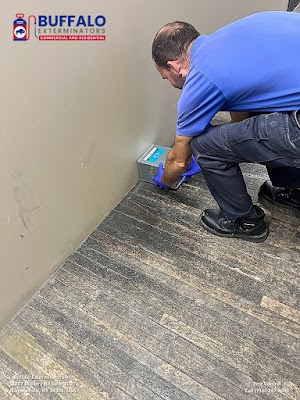
Expect them to talk through findings as they go. You want to hear the why and the how, not just the what. If they point to “activity” without showing evidence, ask to see it. I once followed a competitor who diagnosed “carpenter ants” because they saw winged ants. The evidence was swarmer termites in a sunny window frame. The homeowner lost two weeks and paid twice. Evidence matters.
Treatment philosophy and product choices
Every pest exterminator has a toolbox. What matters is whether the choices fit your situation and risk tolerance. Ask about their approach to integrated pest management, or IPM. You do not need a lecture, but you do want a plan that combines sanitation, exclusion, monitoring, and targeted treatment. A green exterminator or eco friendly exterminator will lean on baits and reduced-risk actives, focus on sealing entry points, and reserve broad sprays for when they are clearly warranted.
When a company proposes a spray-only plan for German roaches in a multifamily building, I know they are either new or cutting corners. Smart roach exterminator plans use gel baits in high-harbor areas, insect growth regulators to disrupt breeding, and crack-and-crevice applications, not wall-to-wall broadcast. For ants, bait selection should match the species biology. Some ant species stop feeding on sweet baits when protein is in demand. Listen for that nuance.
Ask for product names and active ingredients, not just “organic” or “child safe.” Some organic exterminator solutions work well for certain insects but underperform for entrenched infestations. There are trade-offs. Pyrethroids may repel and create avoidance in bed bugs, while a bed bug exterminator using heat treatment can eliminate all life stages in one day if the prep and execution are tight. Rodent control brings ethical choices too. A humane exterminator will prioritize exclusion and snap traps over second-generation anticoagulants that risk secondary poisoning of pets and wildlife. Push for details on placement, tamper resistance, and monitoring.

Safety for families, pets, and sensitive environments
Safety is not a line on a brochure, it is a set of habits. If you have a saltwater aquarium, birds, or small pets, mention it during the consult. Birds are sensitive to many fumes. Fish cannot handle certain aerosols. A professional exterminator should adjust products, ventilation, and scheduling accordingly.
For schools, daycares, and commercial kitchens, there are additional legal requirements and best practices. A commercial exterminator will be familiar with sanitation standards, logbooks, and limited use windows. Ask about notification policies and reentry intervals. These can vary by product and concentration. If a technician cannot explain reentry times or does not leave product labels and safety data sheets on request, move on.
Timelines, expectations, and the myth of the one-and-done
Some pests submit quickly. Paper wasps over a doorway can be removed in a visit. A single yellow jacket nest in a wall can be neutralized and sealed within hours. Others require cycles. Fleas have a stubborn life cycle, and a flea exterminator should set a two to three visit schedule with vacuuming and pet treatment coordination. German roaches often require two to four service calls over a month, with bait refreshes and tenant cooperation. A cockroach exterminator who promises total elimination after one blast in a multi-unit building is setting you up for disappointment.
Bed bugs respond to heat in one day, but that day is long and expensive. If using chemical protocols, expect two to three visits with thorough prep. A termite exterminator will give either a exterminator Niagara Falls spot treatment plan or a full perimeter treatment. The latter may take a day for a typical home, though drilling slabs, treating bath traps, and trenching around foundations can stretch that timeline. Subterranean termite bait systems work well for long-term control and monitoring, but take months to fully intercept and eliminate a colony. Align your expectations to the biology.
Pricing, quotes, and what they should include
Exterminator pricing varies by region, pest, method, and structure complexity. Generally, a one time exterminator service for ants or general crawling insects in a single-family home ranges from modest to mid-tier pricing, while a bed bug heat treatment can run into the thousands. Termite treatments for a standard lot can sit anywhere from the low thousands for a perimeter liquid barrier to more for bait system installations with annual monitoring.
An exterminator estimate should break down inspection fees, treatment costs, follow-up visits, and any warranty terms. If they recommend an exterminator maintenance plan, ask what it covers and what it does not. Does monthly exterminator service include rodent bait station maintenance, or is that separate? Will they return for free if activity continues within a set window? If a company advertises an affordable exterminator package, make sure it is not just a cursory spray that changes little. Cheap exterminator deals that ignore exclusion, baiting, and sanitation are expensive in the long run.
For emergencies, an emergency exterminator or 24 hour exterminator may charge a premium for after hours exterminator visits. That can be worth it when you have an active wasp intrusion or a rat in a restaurant dining area before service. Same day exterminator availability is common for severe cases, but it should not substitute for proper diagnostics.
Warranties and what they actually mean
Warranties are only valuable if the company has the structure to honor them. Ask how warranty calls get prioritized, how many technicians the exterminator company has in your area, and the steps they take if the first method underperforms. For termites, a retreatment warranty is standard. Some add a damage repair warranty for an added fee after a thorough inspection and sometimes with documentation of pre-existing conditions. Read the exclusions. If your crawlspace is inaccessible and remains unsealed, the warranty may not apply.
For bed bugs, be skeptical of long warranties unless they include follow-up inspections and tight prep requirements. Bed bugs are often reintroduced by guests, travel, or secondhand furniture, which sits outside warranty scope. Clarify that distinction. A trusted exterminator will explain these realities upfront, not bury them in fine print.
Communication during and after treatment
The best technician is part entomologist, part detective, part teacher. They explain findings and next steps in plain language, but do not dumb it down. They will leave a service report that lists target pests, products used with EPA registration numbers, application areas, and recommendations for you, such as sealing a half-inch gap under a garage side door or trimming ivy that touches siding.
Ask how you can contact them after the visit. Many firms offer a portal with service history and invoices. A local exterminator may text photos of installed rodent stations and document bait consumption on follow-ups. This level of visibility builds trust. If you manage a commercial site, insist on trend reports. A reliable exterminator will track catch counts, sanitation scores, and corrective actions over time, which helps you pass audits.
Matching provider to property: residential vs. commercial realities
A residential exterminator serving a single-family home can tailor around your family’s routines, pets, and yard. They can use a targeted perimeter treatment for crawling insects, baiting for ants, and rodent exclusion at vents and utility lines. A home exterminator who understands building envelopes will save you money by sealing entry points rather than leaning on perpetual baiting.
A commercial exterminator operates in a different rhythm. Restaurants, hotels, and warehouses face issues of regulatory compliance, food safety standards, and logistics. Night work may be required to avoid disrupting operations. Your exterminator for business should be comfortable with regular inspections, documentation for auditors, and discreet scheduling. They should know the difference between a few stored product beetles and a facility-wide outbreak, and respond proportionately.
Specific pests, specific questions
Different pests require different tactics, and your questions should reflect that. A few examples from the field:
- Bed bugs: Ask if they recommend heat, chemical protocols, or a hybrid. If heat, what temperature and duration, and how do they ensure uniform heat in dense furniture? If chemicals, which active ingredients and how will they rotate to avoid resistance? Ask about canine inspections if your building is large and hard to search. This is one of the rare cases where a list-style prep sheet is helpful, and a bed bug exterminator should provide one. Rodents: Ask about exclusion. A rodent exterminator who only offers outdoor bait stations is thinking short-term. How many access points do they typically find in homes like yours, and do they seal them? What materials do they use at weep holes, soffits, and pipe penetrations? How will they protect non-target animals? If you want a humane exterminator approach, say so upfront. Cockroaches: For German roaches, ask about sanitation coordination and bait placements. In multifamily, ask how they handle unit-to-unit spread and whether they require property-wide treatment. Roach exterminator plans that treat only one unit often fail. Ants: Ask how they identify species. Carpenter ants, odorous house ants, and Argentine ants respond to different strategies. An ant exterminator who talks only about a barrier spray may miss the colony drivers, like moisture intrusion or landscape conducive conditions. Baits work best when the species and seasonal preferences are known. Termites: Ask whether they recommend a liquid barrier, foam spot treatment, or a bait system. In homes with complex slabs or wells nearby, certain actives may be restricted. Ask about drilling in garages and bath traps, and how they reach expansion joints. A termite exterminator should map the structure and provide a diagram with treatment points. Stingers and biters: For wasps and hornets, ask about protective measures and timing. Evening treatments are often safer and more effective. A bee exterminator should discuss relocation when feasible, especially for honey bees, and explain when removal is not possible. A mosquito exterminator should pair larvicide in breeding sites with habitat reduction and, when needed, barrier treatments at precise intervals. Wildlife: If you hear scratching above a bedroom at night, you may be hosting raccoons or squirrels rather than mice. A wildlife exterminator should be licensed for wildlife control in your state, use humane traps, and follow relocation laws. As with rodents, exclusion is the long-term answer.
Preparation and cooperation: your role in success
Exterminators control pests, but clients control conditions. I have turned around stubborn infestations because a homeowner decluttered a roach-heavy kitchen and stuck to a no-sink-overnight-dishes rule. I have also watched repeat callouts continue because a property manager refused to enforce trash chute schedules. The best exterminator for home pests or business partners will outline clear, achievable steps for you. That might include moving stored items six to twelve inches off basement walls, sealing pet food in bins, or running dehumidifiers to keep basements below 50 percent humidity. Ask for a written preparation sheet when you schedule service.
When price is the priority, how to save without sabotaging results
Everyone wants an affordable exterminator, but the cheapest option is rarely the lowest cost over time. If budget is tight, ask for a phased plan. For a light mouse problem, you might start with a focused exclusion service in the most active rooms, then reevaluate. For a mild ant issue, begin with targeted baits and outdoor sanitation changes before investing in a full exterior program. If you need a pest exterminator near me for a quick fix before guests arrive, be honest about the short-term goal, but do not mistake that for a comprehensive solution.
Ask about seasonal promos or bundle rates for a quarterly exterminator pest control package that covers the common crawling insects and includes limited rodent control. Clarify that larger issues like termites or bed bugs are outside that bundle. A reliable exterminator will not overpromise, and they will tell you where a cheap short-term approach could backfire.
Red flags to walk away from
Some signals are hard to ignore. If a company refuses to share product names, balks at providing license numbers, or cannot describe the target pest’s biology in basic terms, look elsewhere. Be cautious if every solution is a spray regardless of pest. Beware of exterminator services that push a multi-year contract immediately for a simple, isolated pest issue. If the person selling and the person servicing are completely disconnected and you cannot get the technician’s name, that is a risk. If every online review mentions missed appointments or hard sells, believe the pattern.
A concise pre-hire checklist
- Verify licensing, insurance, and technician certification in your state, and ask for documentation. Expect a thorough inspection with visible evidence and a clear identification of the pest. Ask for a written plan that covers method, products, safety, and follow-up visits, plus any warranty terms. Confirm pricing details, including what is included in a monthly exterminator service versus a one-time visit. Discuss preparation steps and what cooperation is needed from you or tenants to make treatment stick.
What a good service plan looks like
The best exterminator service plans are specific, measurable, and adjustable. For a mixed-pest home in a temperate climate, a quarterly plan might include an exterior perimeter treatment with a non-repellent for ants and general crawling insects, granular bait around landscape beds where permissible, rodent monitoring stations in the garage and attic access points, and an interior service on request. The technician documents conducive conditions at each visit, like mulch touching siding or gaps around a gas line, and follows up with a short list of fixes. If you are seeing live ants at the six-week mark, they return to adjust baits and investigate satellite colonies.
For a food service business, a strong exterminator for business program maps risk zones, sets a cadence for inspections outside of service hours, uses insect light traps where allowed, and reports trend data. The exterminator technician meets with management monthly to review sanitation scores, sightings, and corrective actions. If a spike occurs, the plan scales quickly within the bounds of food safety regulations.
The truth about “near me” searches
Typing exterminator near me or pest exterminator near me will generate pages of results, some genuine local exterminator options, some national lead aggregators. Lead sites sell your contact information to multiple providers. That is not always bad, but the quality varies. If you want a local pro, check the address on the company’s site and the service area map. Ask how long they have covered your neighborhood. A local company often recognizes building quirks, like an older block with shared crawlspaces that complicate rodent control. National brands can be excellent too, especially for standardized commercial programs, but you still want a named technician who owns your account.
Case notes from the field
A family called me after two months of spraying for ants that kept reappearing in their kitchen. The previous company had used a repellent perimeter product that split the colony and drove trailing ants deeper into the house. We switched to a non-repellent outside and protein baits in carpenter ant hot spots, sealed a cable line gap, and trimmed a boxwood hedge that touched the siding. Within ten days, activity dropped by more than 90 percent, and a follow-up two weeks later showed no inside trails. The fix cost less than the second month of the old plan because it aligned with the species biology and the structure.
Another call came from a boutique hotel with recurring mice on the third floor. Prior teams stacked bait boxes in the basement, but housekeeping still found droppings in linen closets. We mapped vertical chases and found a thumb-sized gap around a riser on the third floor and a dock door brush that had failed. We installed stainless mesh and sealant at pipe penetrations, replaced the brush, and set snap traps in discreet cabinets as a short-term measure. Trend reports showed a sharp drop in captures, and no new droppings were found after two weeks. Exclusion solved what baiting never would.
Final thought: choose substance over sizzle
Good exterminator control services are quiet. They look like a technician kneeling behind a dishwasher with a flashlight, not a cloud of spray in the air. They sound like a measured explanation of what will happen next, not a scare tactic. Whether you need a bug exterminator, an insect exterminator, a mice exterminator, or a team equipped for a larger exterminator infestation problem, the right questions at the consultation stage keep you in control.
If you leave the consult with a clear diagnosis, a written plan, product details, a fair exterminator quote, realistic timelines, and a sense that the person across from you has seen your exact problem before, you are on the right track. Everything else, including brand names and shiny trucks, is secondary.